Ingredients
Equipment
Method
- Step 1: Start by rinsing your soybeans and soaking them in water for about 12 hours. This step is essential to soften them up.
- Step 2: After soaking, drain the beans and steam them for approximately 30 minutes until they're tender.
- Step 3: Once steamed, let the soybeans cool down, then mash them into a paste.
- Step 4: In a large bowl, mix the mashed soybeans with the wheat flour and koji. Stir it all together until well combined.
- Step 5: Gradually add 4 cups of water to the mixture until it reaches a smooth consistency.
- Step 6: Transfer this mixture to a fermentation container and cover it with a clean cloth to allow it to breathe.
- Step 7: Let the mixture ferment at room temperature for 1 to 2 days, stirring occasionally.
- Step 8: After fermentation, dissolve 1 cup of salt in 4 cups of water to create your brine solution.
- Step 9: Pour the brine over the fermented mixture, making sure everything is fully submerged.
- Step 10: Cover the container tightly and let it ferment in a cool, dark place for 6 to 12 months.
- Step 11: Once fermentation is complete, strain the liquid through a fine mesh sieve or cheesecloth to separate the soy sauce from the solids.
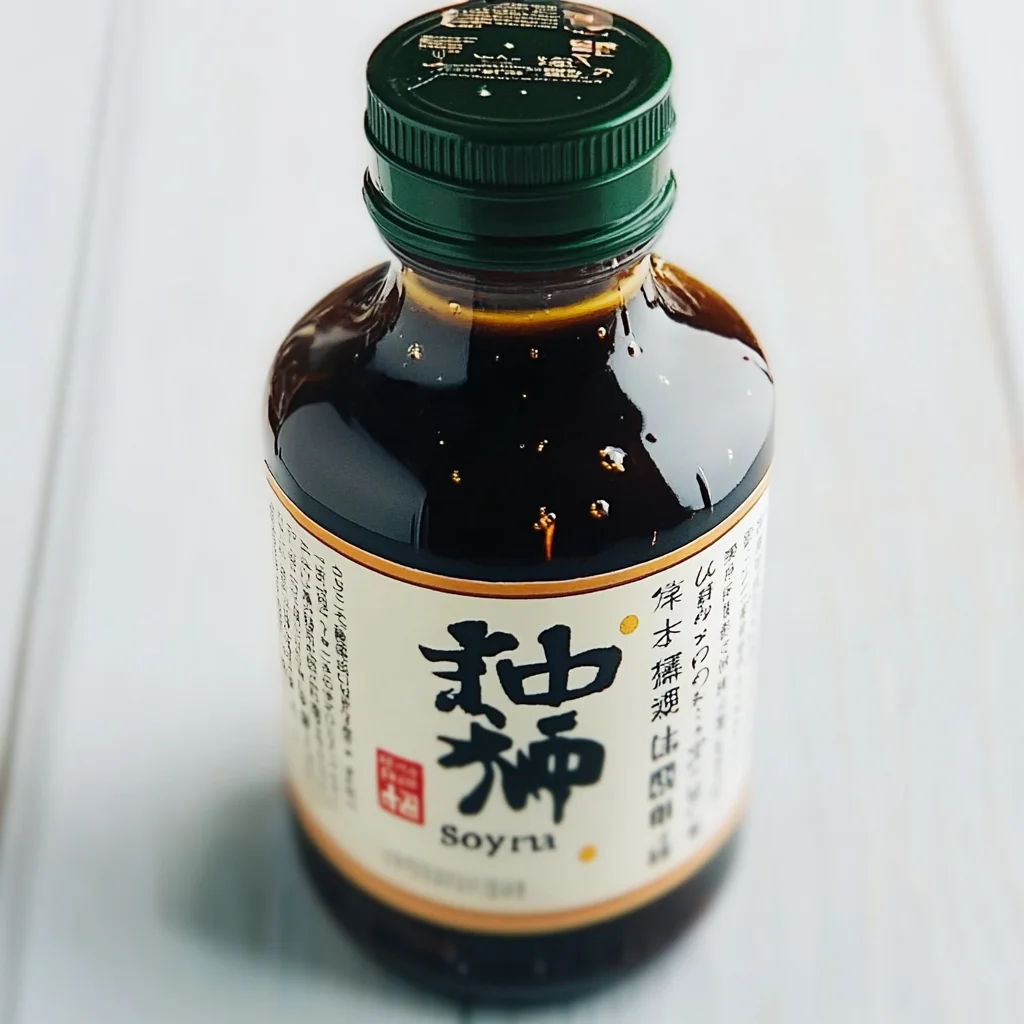
- Step 12: Store your strained soy sauce in sterilized bottles and refrigerate.
Notes
Make sure your fermentation container is clean to prevent unwanted bacteria. Store in sterilized bottles. The rich flavors will elevate your dishes!